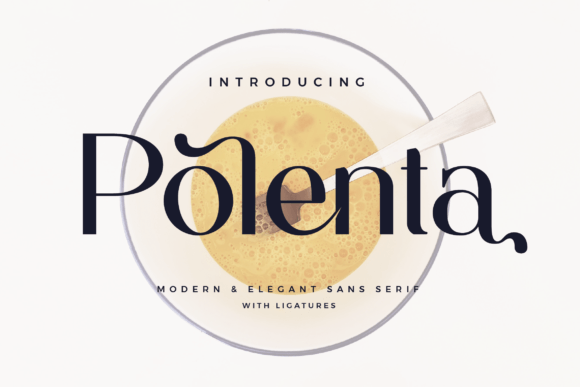
Polenta Sans Font Typeface for Modern Branding
Polenta, Sans Serif, and Fonts are essential tools when you need to establish a visual identity that feels both contemporary and trustworthy. As a small business owner, I have learned that the typeface you choose does more than just display words; it sets the tone for every interaction your customer has with your brand. Whether you are launching a new boutique, refreshing a café menu, or designing packaging for handmade goods, the right font can bridge the gap between a amateur hobby and a professional enterprise. This article explores how this specific minimalist style can elevate your design assets and create a cohesive look across all your marketing channels.
Using Polenta for Elegant Logo Design and Brand Identity
Polenta, Sans Serif, and Fonts play a pivotal role in logo creation because they offer clarity and sophistication without unnecessary clutter. When I started my own venture, I realized that a logo needs to be legible at any size, from a tiny favicon on a website to a large sign on a storefront. The minimalist nature of this typeface ensures that your brand name remains the focal point, free from distracting embellishments. It is particularly effective for businesses aiming for a high-end or clean aesthetic, such as skincare lines, architectural firms, or modern jewelry stores. By using a font inspired by famous minimalist logos, you tap into a visual language that consumers already associate with quality and reliability. This immediate recognition helps build trust faster, which is crucial for new businesses trying to establish credibility in a crowded market.
Creating Consistent Templates for Brochures and Layout Design
Polenta, Sans Serif, and Fonts provide the structural backbone needed for professional brochures and layout design. Consistency is key in branding, and using a single, versatile typeface across your printed materials ensures that your message is delivered clearly. When designing templates for client proposals, service menus, or informational brochures, the clean lines of this font allow for excellent readability. You can use bold weights for headings to grab attention and lighter weights for body text to maintain a smooth reading flow. This versatility means you do not need to purchase multiple fonts to achieve a balanced look. For entrepreneurs who handle their own marketing, having a reliable font that works well in various layout configurations saves time and reduces design stress. It allows you to focus on the content of your brochure rather than worrying about whether the text looks disjointed or unprofessional.
Polenta for Wedding Invitations and Elegant Event Branding
Polenta, Sans Serif, and Fonts are surprisingly effective for wedding invitations and event branding, offering a modern twist on traditional elegance. While script fonts are often the go-to for weddings, a clean sans serif can convey a sense of modern sophistication and understated luxury. This is ideal for couples or event planners who prefer a minimalist aesthetic over ornate designs. The font’s elegant characteristics make it suitable for save-the-dates, menu cards, and place settings. It pairs beautifully with ample white space and high-quality paper stocks, allowing the typography to speak for itself. For business owners in the event industry, offering this style as part of your design package can attract clients looking for contemporary, chic solutions. It demonstrates that you understand current design trends and can deliver materials that feel fresh and unique rather than dated or overly traditional.
Enhancing Advertising Branding and Video Content Visuals
Polenta, Sans Serif, and Fonts significantly impact the effectiveness of advertising branding and video content. In digital marketing, especially on platforms like Instagram and TikTok, text overlays need to be readable within seconds. The clear, open shapes of this typeface ensure that your message is understood even when viewed on small mobile screens or during fast-paced video transitions. Whether you are creating promotional videos for a product launch or designing static ads for social media, the minimalist style prevents visual clutter. This is crucial for maintaining viewer engagement and driving conversions. For small businesses with limited advertising budgets, maximizing the impact of each visual asset is essential. Using a font that looks premium and professional can elevate the perceived value of your offer, making your ads stand out in a feed full of noisy, overly decorated graphics. It helps your brand appear established and serious about its craft.
Practical Tips for Font Pairing and Readability in Packaging
Polenta, Sans Serif, and Fonts require thoughtful pairing to maximize their impact on packaging and product labels. Since this typeface is minimalist, it pairs exceptionally well with a contrasting serif font or a subtle handwritten script for accent details. For example, if you are selling handmade candles, you might use this sans serif for the product name and a delicate script for the scent description. This combination creates visual interest while maintaining overall harmony. Readability is also critical on packaging, where space is often limited. Ensure that the font size is large enough to be read easily, and check contrast levels against your background colors. Before finalizing your design, print a test label to see how the font performs in real-world lighting and handling conditions. This practical step can prevent costly mistakes and ensure that your product looks as good on the shelf as it does on your screen.
Checking Commercial Licensing for Business Use and Merchandise
Polenta, Sans Serif, and Fonts must be used in compliance with their licensing agreements to protect your business legally. As an entrepreneur, it is vital to verify that the font license covers your intended uses, such as printing on merchandise, embedding in websites, or including in digital products for sale. Many free fonts have restrictions on commercial use, so investing in a properly licensed version provides peace of mind and supports the designers who create these valuable assets. Always read the terms carefully, especially if you plan to use the font for client work or mass-produced items. Understanding licensing requirements is part of running a professional business and helps avoid potential legal issues down the line. By respecting intellectual property rights, you contribute to a healthy creative ecosystem and ensure that your brand operates on a solid, ethical foundation.